-
Your shopping cart is empty!


MENU
Your shopping cart is empty!
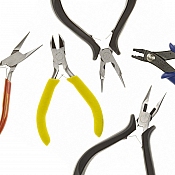
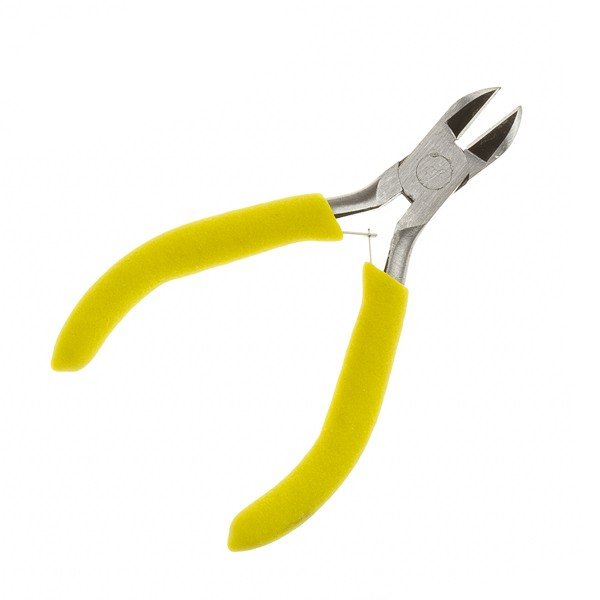 Side cutters are a great all round cutter that will cut through most jewellery wires as well as sheet metal. They leave the cut edge smooth and even. Side cutters are not to be used to cut memory wire and other very strong/thick wires as this will damage the blades very quickly and lead to replacing them often.
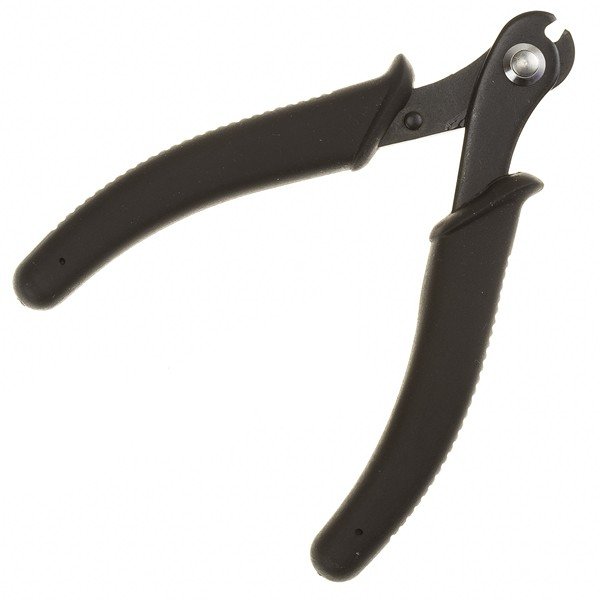 Memory wire is a very thick coil of tempered (toughened) steel wire and would ruin regular wire cutters in a very short space of time. Therefore they require specialist cutters such as memory wire shears to create a clean cut with minimal effort. These are great for cutting other tough jewellery wires too.
 Round nose pliers are an essential part of a jewellery makers tool kit. They are used to create different sized loops, smooth bends, create spirals and more. It's worth noting if you want to make consistent sized loops, that it's a good idea to mark the pliers with a small amount of masking tape at the appropriate point. Round nose pliers are smooth with no crimps or jagged edges on their jaws so are great for creating smooth curves with no marks to your wire.
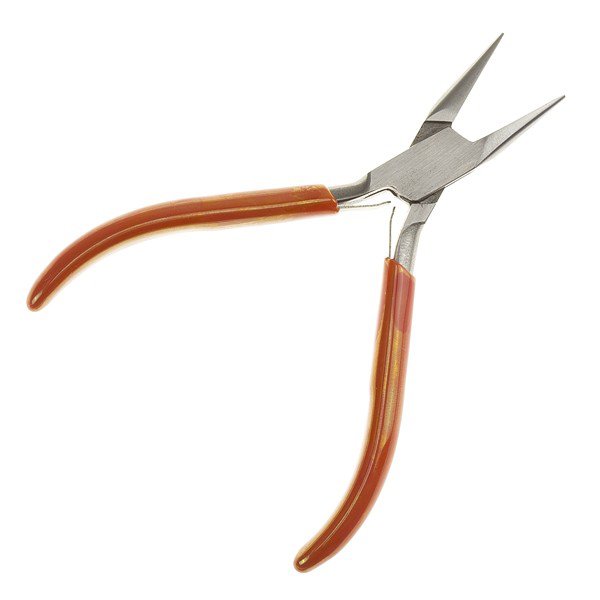 Chain nose pliers are a necessity in jewellery making. They are used to grip components, bend wire, and are particularly handy for reaching into tight places and difficult angles. Chain nose pliers are available in short nose and long nose varieties. Short nose offer more control whereas long nose are better for reaching.
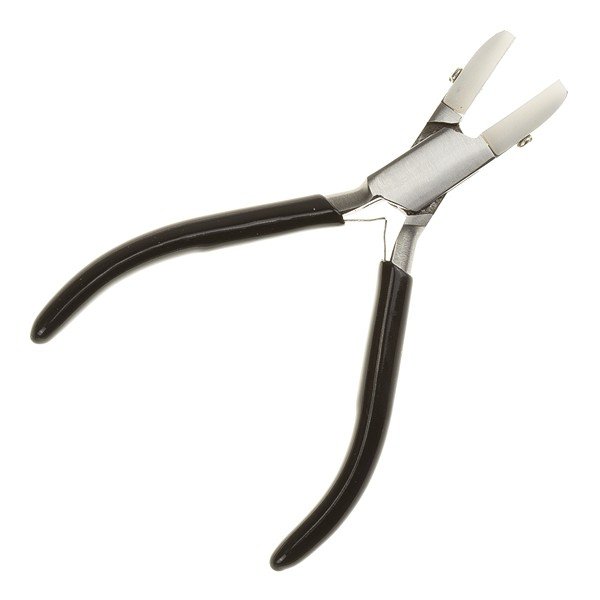 Flat nose pliers are great for gripping wire and are very similar to chain nose pliers, the only difference being they do not taper towards the end giving them a greater surface area for holding wire securely. They can also be used to straighten any unwanted kinks or bends out of your wire.
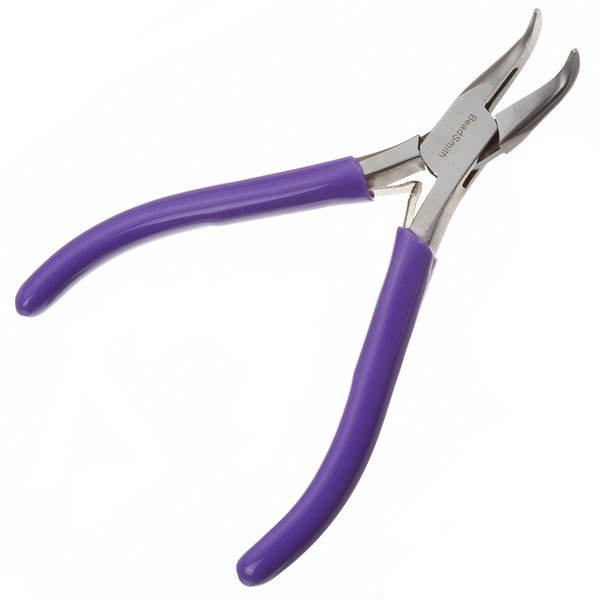 Bent nose pliers are really useful for wire wrapping and tucking the ends of wire into beads. They are very similar to chain nose pliers in that they are brilliant for reaching into small spaces as well as gripping at difficult angles.
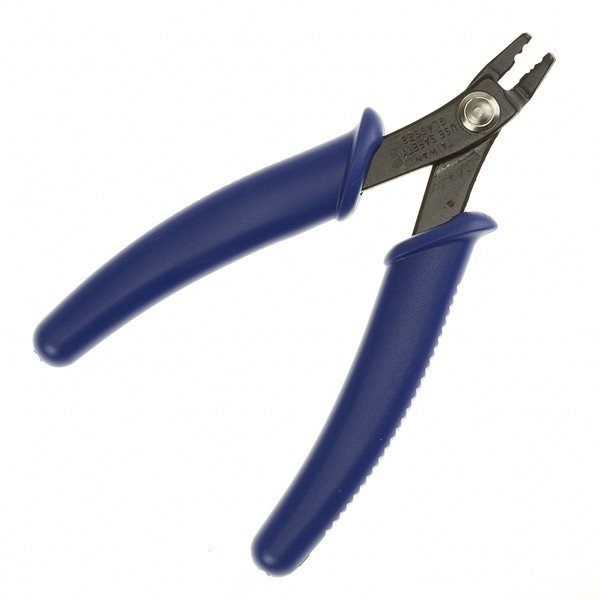 Crimping pliers are an invaluable tool to have if creating a neat, professional finish is one of your priorities. They are used to secure Crimp Beads onto wire, round them and also to clamp on crimp covers. When closed, the jaws on the crimping pliers have two notches. The first notch (nearest the end) creates an 'o' Shape, the second a 'u' shape. The 'u' shape is used to close the crimp, and the 'o' to round it afterwards giving it a neat and tidy finish. One step further is to secure a crimp cover over the top which will take your jewellery to a more professional level.
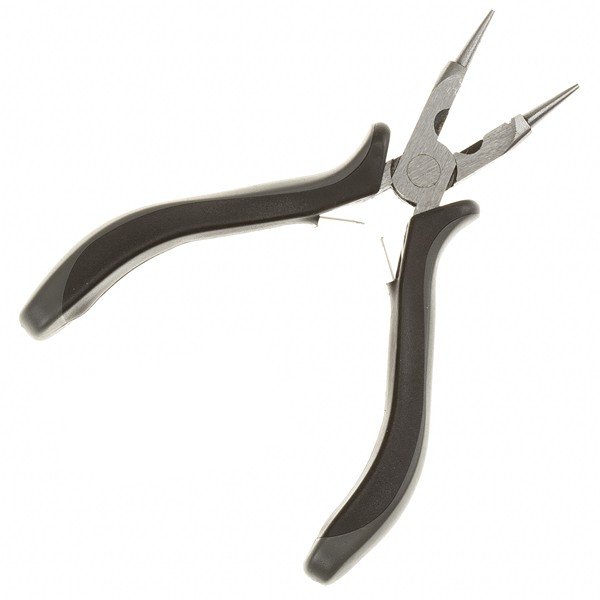 These multi purpose pliers can flatten, close Jump Rings, loop wire and also cut. These are really handy if you have a large amount of jewellery to make or you have a big project on the go as you won't be swapping jewellery pliers as often, saving you time.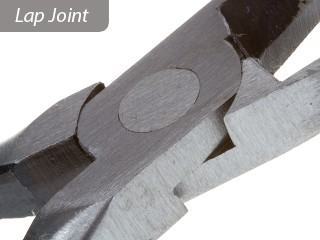
There are no products to list in this category.