-
Your shopping cart is empty!


MENU
Your shopping cart is empty!
Hello once again!
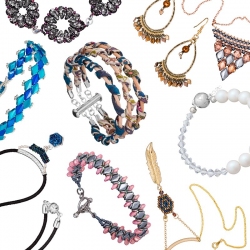
So following on from my previous guide on beading threads, I thought I would continue forward and take a look at another beading material for creators - the wonderful world of beading wire! Wire is a little more tactile comapred to the threads in the last Blog, due to wire being made form multiple materials like Copper, aluminium, stainless steel etc and a little more hard wearing over the years that you may own it. Unlike threads, more wires will require additional Tools and forms to mould them into loops and bends because of it's internal structure (made of multiple threads woven together to create the desire thickness, which you will find out more later). Beginners of wire take a look at the wire options below for some inspiration and if you are looking for some guides for your wire creations, you can find us on YouTube here where our designer Billie can walk through some beautiful designs for you to follow.
So before proceeding into the wires themselves, I just thought I would quickly explain what some of the terminology you might see when you purchase your wire. Each type listed blow each have their own specification and quality which could help (or hinder) your creative processes and ensure you find the right cable for you:-
Dead Soft Wires- Dead soft refers to a wire which hasn't been treated or tempered allowing it to be extremely maluable and easy to manipulate in your crafting. Usually dead soft wires are used for looping and wrapping on projects as their softer metal allows it to be easily formed with tools for a smoother loop or wrap. However the softer the material the possible chance of breakages and stress due to the fineness of the wire. Would require a hammer and workspace to harden the material if you want a stronger wire.
Half Hard Wires - Wires which have been hardened but still have a flexibility and movement to allow the wire to be bent into other Shapes. Usually stronger it is usually used for jewellery wrapping and loops. This wire can also be hardened with a hammer for higher stressed areas of the peices such as Clasps or weighted parts.
Full Hard Wires - Tempered wire which is extremely difficult to bend unless you have specalist tools for the work. Can be used to make a variety of items such as Jump Rings, loops, clasps etc as it is best for high stress areas as the material is strong and durable to withstand years of open and closing, as well as weights from the beads and additional Findings.
Twisted Wire - Twisting two rounded wires together creates a wire similiar to rope, which creates a strong and supple wire for additional texture and design which when bent or manipulated creates a unmoving shape. Twisted wire also oxides extremely well for those looking for an antique look to your pieces.
Next we will look into the specific shapes that the wires can come into. Standardly they come into three types listed below. Most wires will commonly be either rounded or square wire and may not specify in their description exactly what type they are. So here are some important things to look out for when looking into wire types!
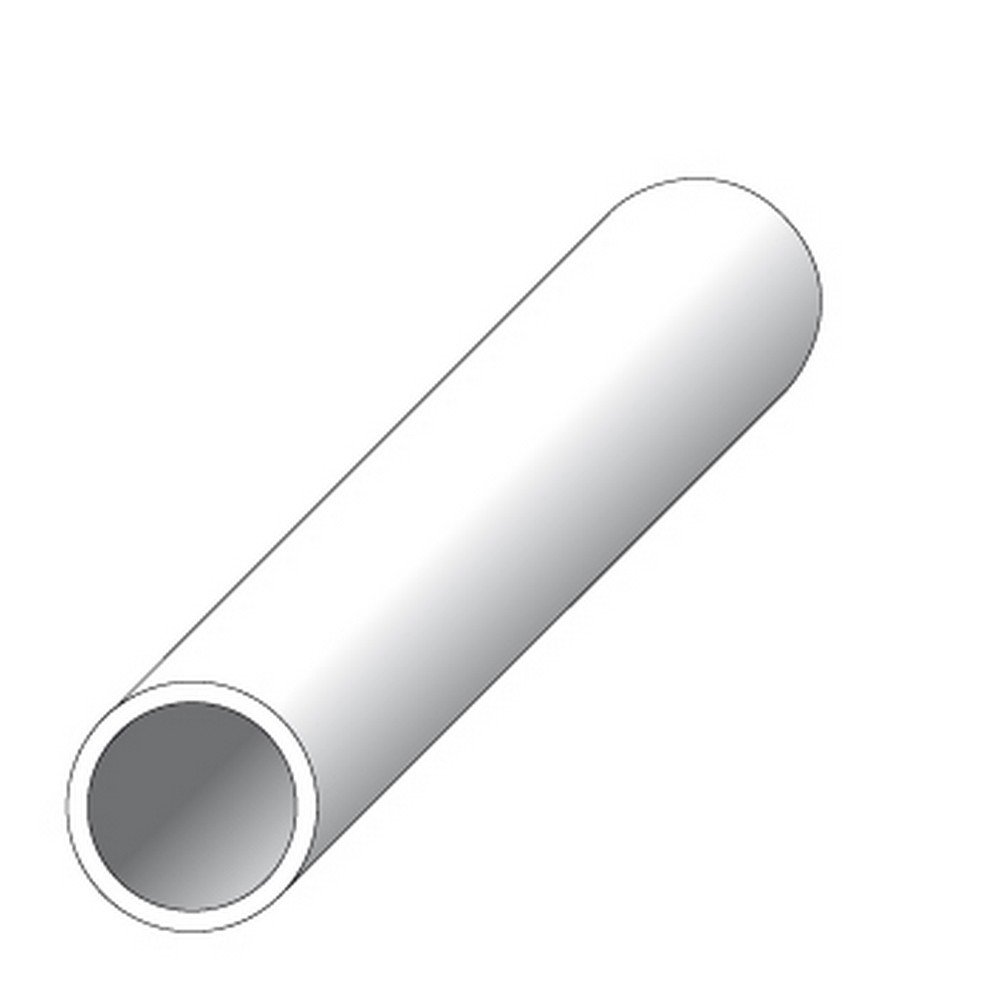
Rounded Wire - Most common wire shape available on the market, and pretty much used in every craft. The rounded shape allows easy threading of beads and findings and will secure onto most findings snugly. The rounded wire can also be twisted in numerous way do a bespoke design elements to your creations. Most of the wires you can purchase on Beads Jar and many other sites will be rounded wire. Traditionally rounded wire in coppers and aluminium arre of a cheaper price point and a great starting point for beginners getting used to wires.

Half Rounded Wire - Traditionally used in ring shanks and binding wire due to it's flatten edge but still retains some of the character of the rounded wire. Thinner versions of the wire can be wrapped around bars and wires for flat smooth surface for the wrapping but still have a shiny, smooth and rounded edge for that attractive shine.
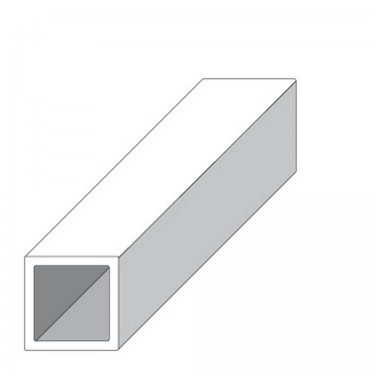
Square Wire - Same usage as the rounded wire, but more practical in binding multiple wires together as the flattened edges of the wire allows them to sit together tightly without gaps or slippages usually seen with cicular wires. Square wire (unlike the circular wire) when twisted is visually noticable so any twisted material which is done incorrectly will be seen immediately on pieces. This however gives some beautiful shapes and twists to the material which (unless your looking for a smooth finish) gives an interesting texture and design to your wire.
Lastly (and I promise it won't be much more but this is important!) is wire gauging. Depending on where in the world you may be reading this from, websites gauges may depend where in the world they are selling them from. Standardly the two wire gauges you should look towards are AWG and SWG:-
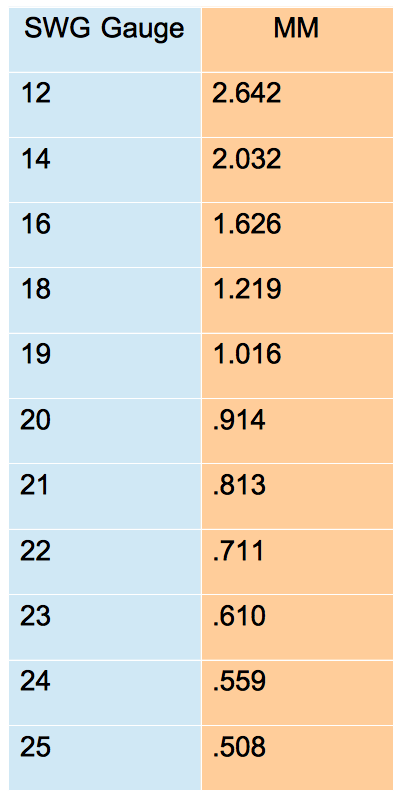
AWG is American Wire Gauge (also referred to as Brown and Sharpe wire gauge) is usually given to wire that is pure and doesn't contain iron in it's creation such as sterling Silver or Niobium. Most companies across the internet (including Beads Jar) do use AWG as it is the standard gauging used across most of the world. There are some simple guides to show you the comparison between the two (usually AWG is just a little smaller then SWG wires)
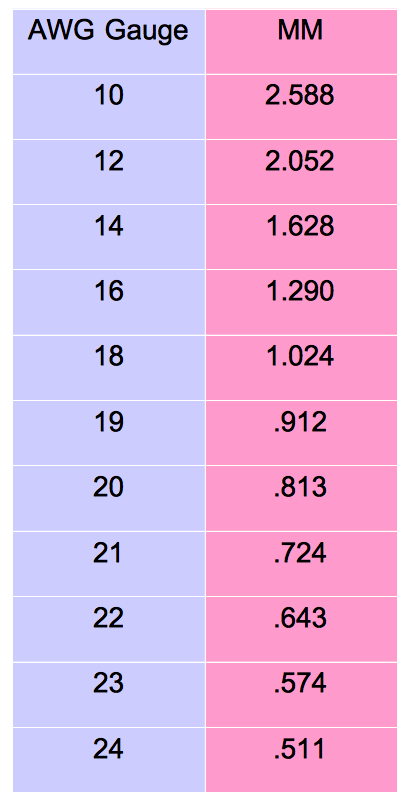
SWG is Standard Wire Gauge (also referred to as British Wire Gauge or Imperial Wire Gauge) is given to other ferrous and base metals like aluminium, copper etc (basically materials which are pure a mixture of two or more). Although a British standard, most companies opt for the AWG due to international posting and purchasing and it's easier as a overall scale.
So now that is out of the way time for the main attraction! Below I have complied a list of different wires (all available at Beads Jar) that would help and assist on what will be best for you. As always if you have your own thoughts or comments on any of the wires that we are talking about head over to our Facebook page and send them across! I love input from others as your knowledge can help the next beader! If not, at the bottom of the page is a comment box so you can comment on this post and talk to others about any queries or questions that they might have in regards to wire work
So lets get to the wires!
Beadalon wires are manufactured and produced in the United States and one of the best selling wires avaliable online. We are fortunate to have here a few different types, with each having their own small characterstics which can make big changes to your beading pieces. One thing to remember about Beadlon cables are that the HIGHER the number of the thread, the more flexible the wire is! Beadalon wire is the usual go-to thread for creators for it's branding as it is typically one of the best you can purchase on the market. A word of caution for the beaders is that althought brilliant for most situations, the thread can be extremely expensive for a beginner so it may be a wire you would want to progress to when practising.

Extremely flexible and tactile, 49 strand stands for the amount of thread used to create the complete wire. The more threads you have the tighter the fit, and the more flexibility to the cable. The 49 strand is kink resistant because of its thread structure allowing beginners to take hold and manipulate easily without stress. The thread is thin and plyable enough that it only needs some basic tools (scissors, threading needles etc) with out specialist ones needed. For beginners, however, if you wanted to start using this thread be careful, it does cost a little more then other beginner wires but you are paying for a high quality and durable material!

While not as thin as the 49 strand, the 19 is the perfect cross road between a supple and strong cable with the added flexibility and drape for multiple uses and products. Due to it being slightly thicker due to it's thread count, this wire would require basic tools for precise movement and manipulation. 19 Strand is also a perfect beginner thread as it allows your the flexibilty to play with the material but the internal strength to prevent the pieces from being soft and worn easily.
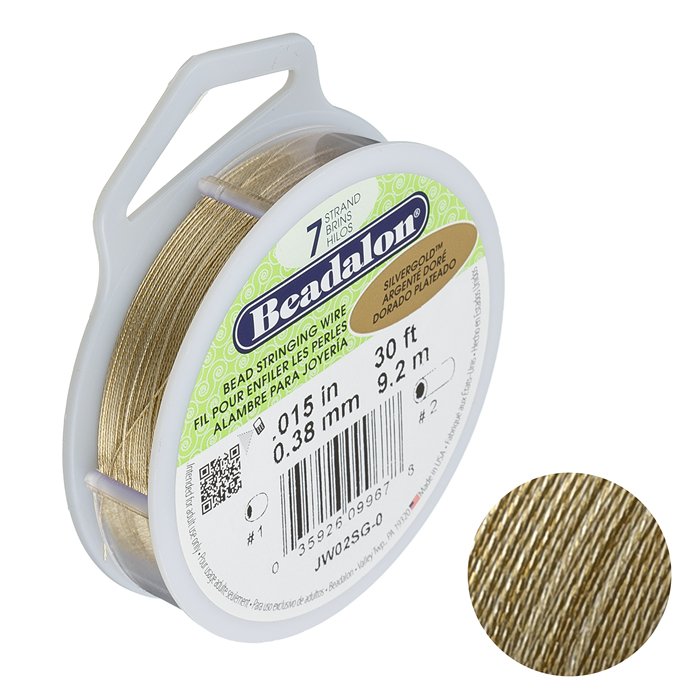
The least flexible stand set up available, the 7 strand is extremely strong, much stronger then other wires, but isn't as maluable or flexible meaning that you will require additional tools to create your pieces. Because of it's thicker strand structure it can't be knotted but never fear! You can use crimping beads or attach additional findings to allow the two ends to come together - usually seen as stronger and longer lasting then knotting anyway! This thread would probably best suited for necklaces or Bracelets as the 7 strand has a really beautiful drape to it, allowing them sit correctly around your neck or wrist while being a stronger and more attractive material to threads or cording.
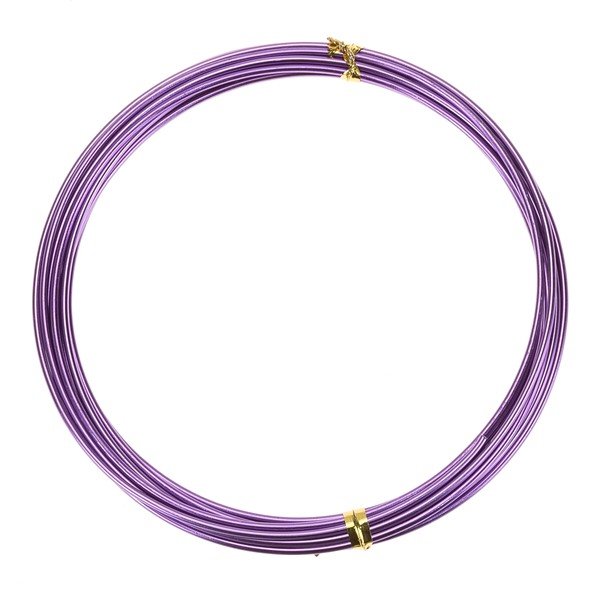
Aluminium wire is a light weight material and seen as a great beginners wire due it's wide varieties of colours and finishes as well as it's ease into moulding and shaping. Aluminium is typically an extrememly strong and tactile material, but the wire has the added benefit (due to its flexibility) to be easily moulded and shaped into tight coils or rings without the use of additional tools. For the beginner however, I would just be careful with aluminium wire - despite being a strong material, after much moulding and twisting you can find that the points of the bends can become weakened and could snap over a longer period of time. It's recommended that once you are happy with the shape is to keep it like that as much as possible - don't fiddle with it too much basically!
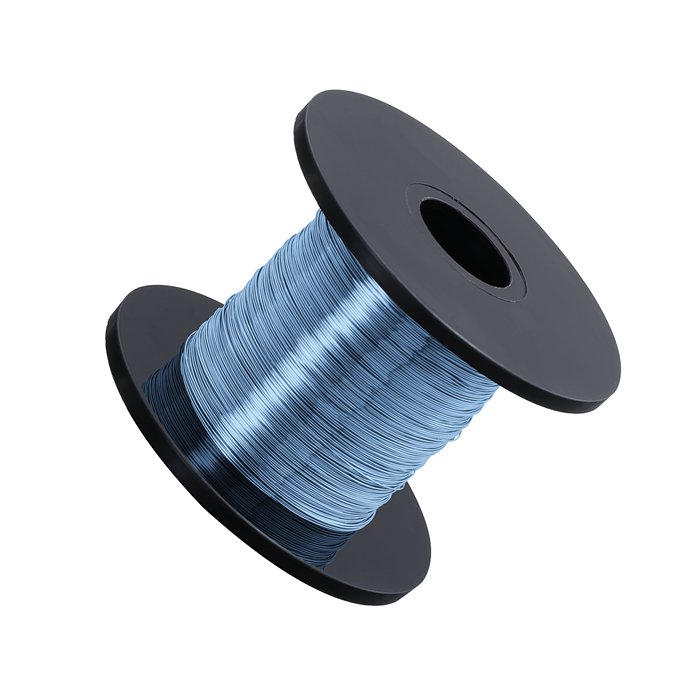
Copper wire is the affordable and stright forward wire that is avaliable on the market. It comes in a variety of colours and styles as well as a huge assortment of sizes (on Beads Jar specifically it starts at 0.2mm to 1.5mm in thickness for all your crafting needs) meaning that it's a versatile wire for any project. Used for bead wrapping and wire wrapping as it's thin and maluable shape allows it to be tightly wound around beads and wire necklaces/ bracelets for a stunning, equal and smooth effect. Copper also has the benefit of not tarnishing after a longer period time allowing to keep either it's colour and shine. One example of the copper wire use is in this earring tutorial (from my previous blog on Autumn designs) by Lan Anh Handmade, who uses the thin copper wire to wrap around the larger structure to give an elegant shape and colour as well as giving additional support to the piece. If your making intricate pieces prehaps this will give added texture, design and stability.
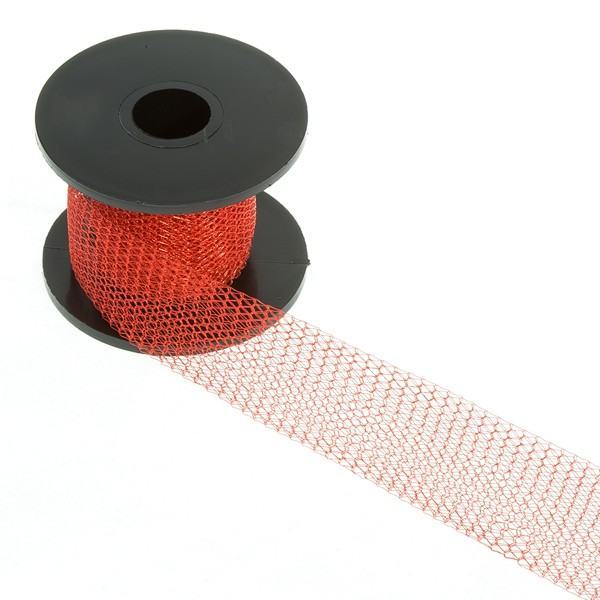
This wire is slightly different to the standard "thread" wire as it behaves more as a fabric then as a metal. Knitted wire is created into a mesh which is used to wrap around full bracelets or necklaces of beads to create a tight containment to ensure that no beads slip or loose from the string. You can also use knitted wire to twist and bend into interesting shapes and designs which can encapsulate beads, charms or any other additional materials you may want to use. Knitted wire has a smooth texture on the mesh to prevent it from catching or tearing. Usually the wire is woven from copper wire and plated with various colours and patterns to create some eye catching a attractive designs.
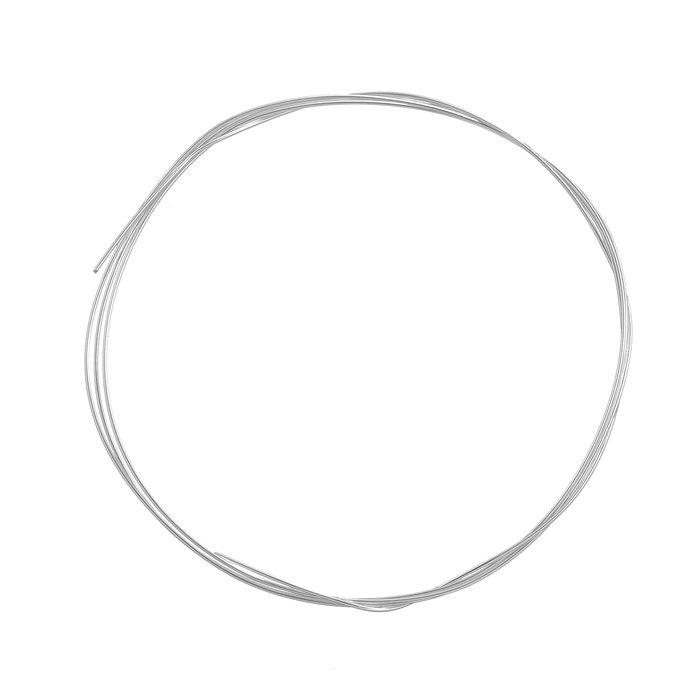
Sterling Silver wire is a professional quality wire with a high and glistening shine - perfect for those high end creations, or even matching them to Semi-Precious stones, Pearls or silver charms for a chic and modern look. Sterling silver is maluable but hard waring and would require additional tools to bend and shape for clean lines and curls. It can be used in the creation of eyepins, headpins, earring wires jump rings etc, due it's non tarnishing surface, which is stiff and rigid allowing to be used in high stress areas. The professional quality of this wire does reflect in the price however, as it a lightly more expensive material compared to others.
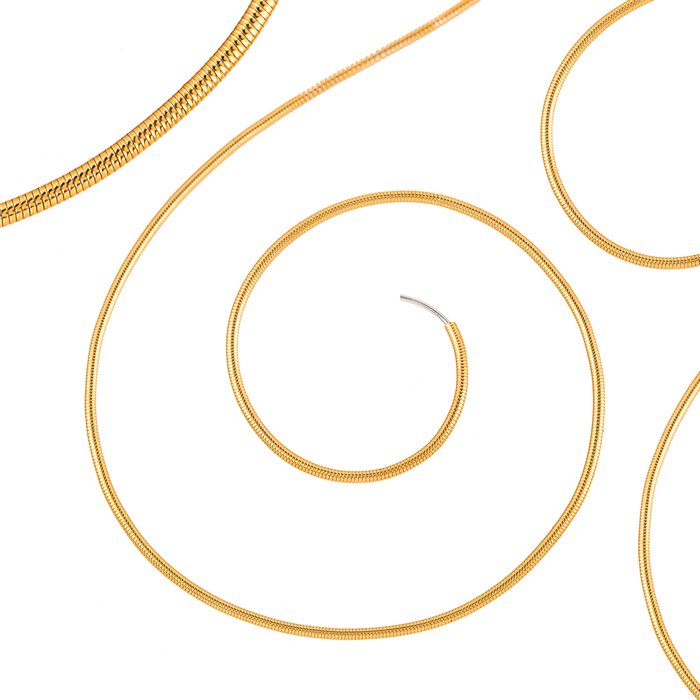
French Wire is also referred to as bullion wire or gimp wire and typically used for a variety of beading projects such as pearl knotting and threading. French wire has an even higher durability and resistances then other wires as well as preventing abrasions to the beads (which is perfect for Pearl Beads as some wires and threads can discolour pearls and remove their sheen) and additional findings or clasps. The wire however (specifically on BeadsJar) isn't varied much in colour as it's traditionally kept in it's metal colours of gold, silver and coppers.
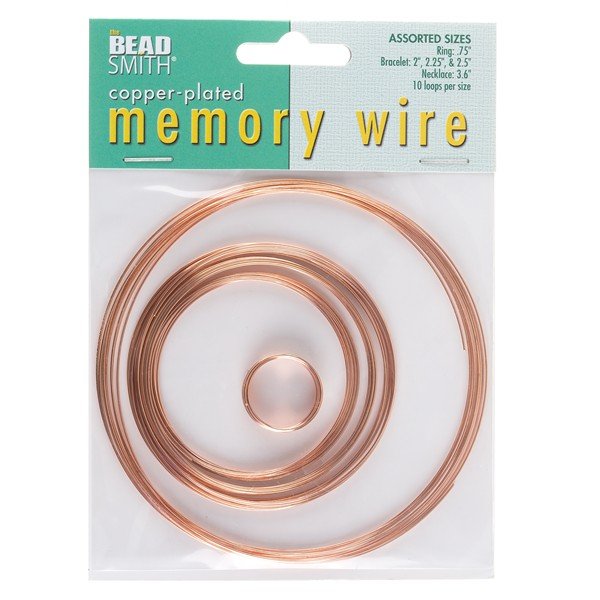
Just as the name suggests, memory wire is known for it's shape quality - it retains the shape it's been moulded into to prevent pieces from bending or stretching over time - perfect for bracelets and necklaces. Memory wire is created from stainless steel, an incredibly durable and impregnable alloy (created from irons and other base metals) which has the added benefit of being completely tarnish and abrasive resistant. Standardly manipulated into loose coils, they are usually manufactured into coils of varing sizes, with the size depending on the project - if it be a bracelet, necklace etc. Memory wire does require some stronger tools to cut and shape as it can damage standard tools due it's durability, strength and it's internal weave so for beginners who are looking to prehaps progress to this wire would need to upgrade their tools before commiting.
So that is a run down on all the wires and hopefully that will give you a bit of an insight into the pros and cons of each. As I said in them, there are some which would be perfect for a beginner and some for the more experienced, but there are thousands of guides and how tos across the internet so I'm sure that you will all be professionals in no time! As always if you want to comment on this blog I always love to see your replies and questions. Head over to our Facebook (@BeadsJar) or our Twitter (@BeadsJar or #Beadsjar) and talk to me!
If you have any questions or anything you'd like to add for future blog ideas email me at [email protected] and I will happily discuss and you could be featured in a future post!
Have a wonderful day and happy beading!
Phill :D
- Beads Jar Team





















































Leave a Comment