-
Your shopping cart is empty!


MENU
Your shopping cart is empty!
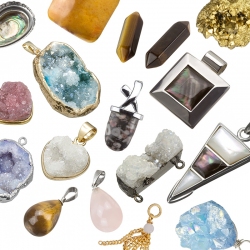
So, for this week's Blog post I thought we could delve into the work of Semi-Precious beads, which I have some good experience with myself, as I worked in a jewellers for a few years. The semi-precious beads we have available at Beads Jar have been formed and shaped from natural sources around the world, as well others created synthetically for additional Colour and design to make an outstanding bead. We are lucky to have a large range of varied beads in hundreds of colour varitaions, Shapes, cuts and finishes, in hopes that you find the right bead that will fit you.
We will take a run through the beads now and how they came to be, with some additional information for upkeep on the beads, pairing them with other beads and Findings and also links to all our pages. If you have any questions or anything you'd like to add, your more then welcome (at the end of the blog) to submit your queries and questions

A decorative and vividly coloured bead, Agate beads have a beautiful bands of colour running over the surface when cut and shaped horizontally or vertically. The bead has a waxy surface and is coated in a translucent finish for a light sheen to the bead. Agate beads are sometimes cut with facets into the surface to catch the light better, giving the swirled coloured pattern additional depth, shine and attractiveness
These beads are uncoloured and cut from natural stone for soft and alluring colours, just as nature intended for them! Agate beads can come in a huge array of colours, from pinks, lavenders, reds, browns and many more. Take a look here at our range of Agate here and see what would be perfect for your creation.
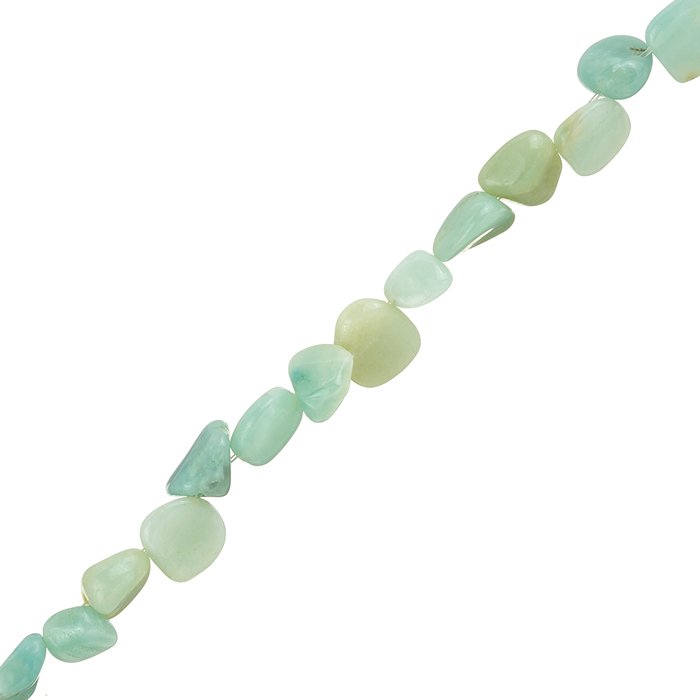
Also referred to as “Amazon Stone”, Amazonite is a rarer material compared to most as it can only be found in certain parts of the world (similar to Tanzantine, a gemstone only found Northern Tanzania) and is sought after for their stunning, deep jade green colouration. The colour is unique, as miners and geologists alike don't understand the vivid colour of the stones origin, but when polished gives a clean and intense colour. It's a slightly “softer” bead then others but that doesn't affect the surface or hardness of the bead – these will last a lifetime of use.
For a chance to own some of these special beads, check out our stock here
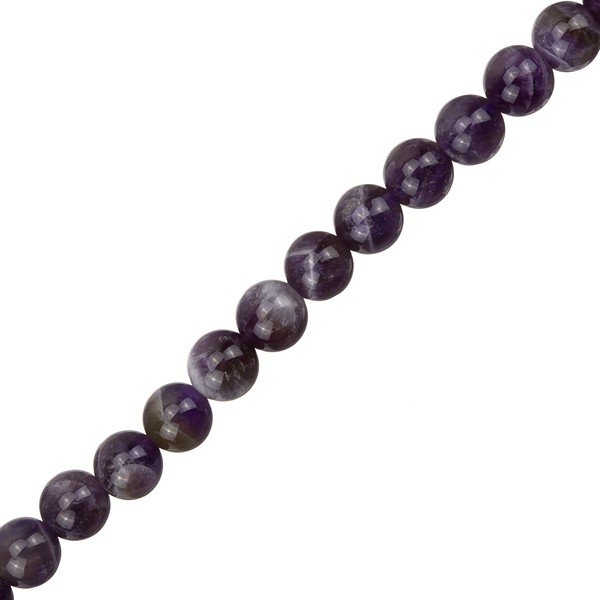
A popular gemstone in the jewellery world, Amethyst is the birthstone for February and is a popular present to give to loved ones born as such. Amethyst is famous for it's strong purple tones (sometimes intermixed with whites and dark reds) and is faceted and polished to give the natural colour a extra bright glow. The beaded versions of Amethyst comes in various forms – from the natural “nugget” shapes, smooth rounded traditional shaped beads and stone shaped beads – and various colours to ensure that you can find the right shaped bead for that special someone
If you'd like to look deeper into the famous purples of Amethyst, click here to see our selection
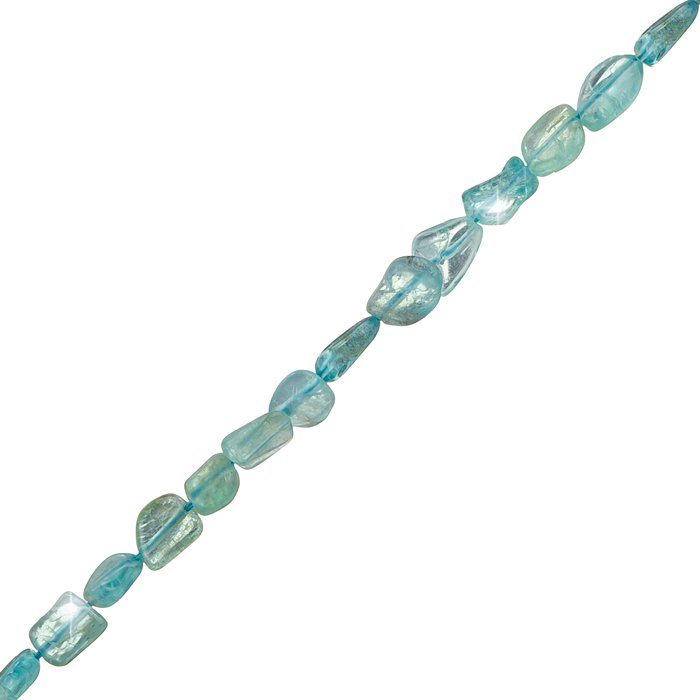
Apatite is a chameleon of bead and can be found in a huge range of colours – from turquoise, Teal and greens to name a few. In the right light, the beads internal structure is similar as looking through a tigers eye bead, with a intertwining swirls and patterns to crate some interesting looks. This stone, when shaped and polished, is popular for a more economical beader – the material is readily available worldwide and popular with it's translucent colouration and deep colour variations.
You can find our Apatite beads on our site here
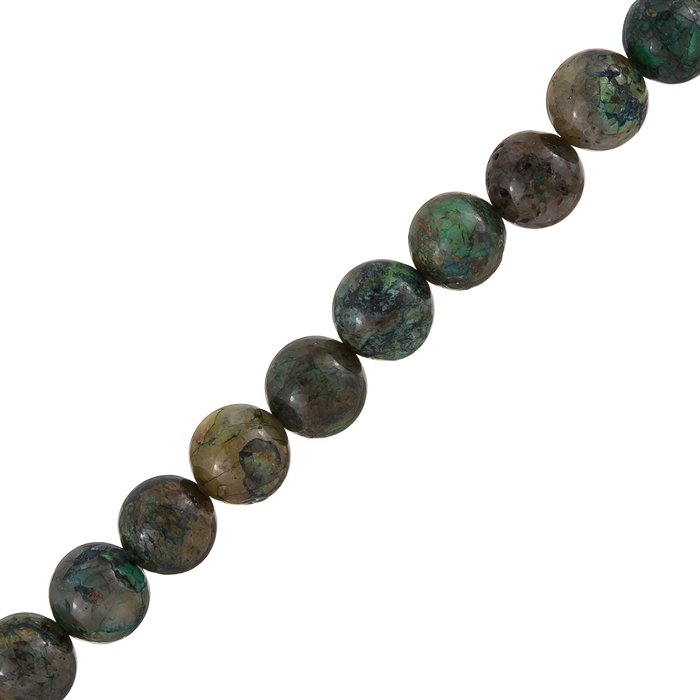
Chrysocolla beads are uncommon in most jewellery crafting, but this bead has a natural elegance to it's creation that makes it stand out. The beads are of a marbled effect, primarily in earthy colours of browns, greens and some blues, with the other respective colours flecked around to create a swirl of darker, natural colours. These beads are most associated with quartz, malachite and azurite due to it's internal Copper body and coloured, hardened shell making this an extremely strong and durable bead – capable of day to say wear without any discolouring. The bead is more subtle in it's finish (more of a slightly dulled shine) as not to detract from the rich tones of the bead itself.
Take a look at our range of Chrysocolla beads here for some natural and elegant beads.
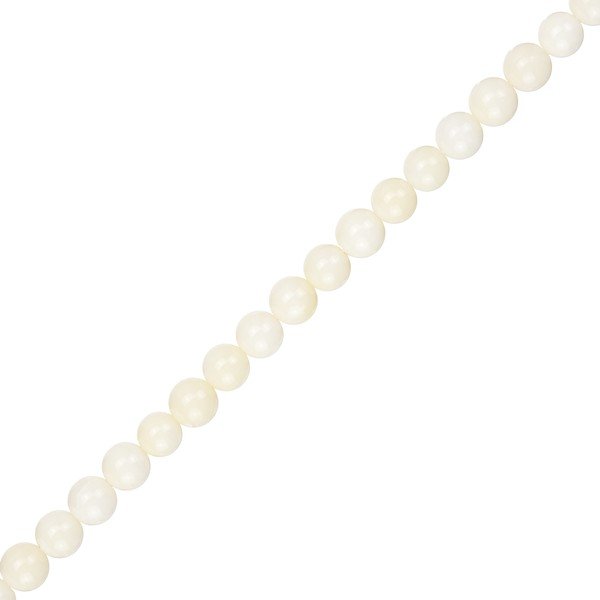
Coral jewellery is a more unusual semi-precious material, as instead of being mined like many of the other materials, these can come in two variations – natural coral, found in deep sea diving and cultivation and synthetic. Natural coral was popular in the Victorian era, due it it's subtle colours and elegance this material could be cut and polished to create high quality and desirable pieces of jewellery. Standardly coral beads are polished and smooth but not faceted like many – the high sheen and light could cause milky colour to lose it's simple appeal (focusing more on the cut then the specialised material that it was made of)
Today, there are also synthetic coral available also, which unlike the natural one isn't taken from the sea bed, and is created from crushed shells which are heat treated and given additional pigmentation for striking and bold colours for a more modern feel to the traditional material (you can also get the Coral uncoloured in a natural white).
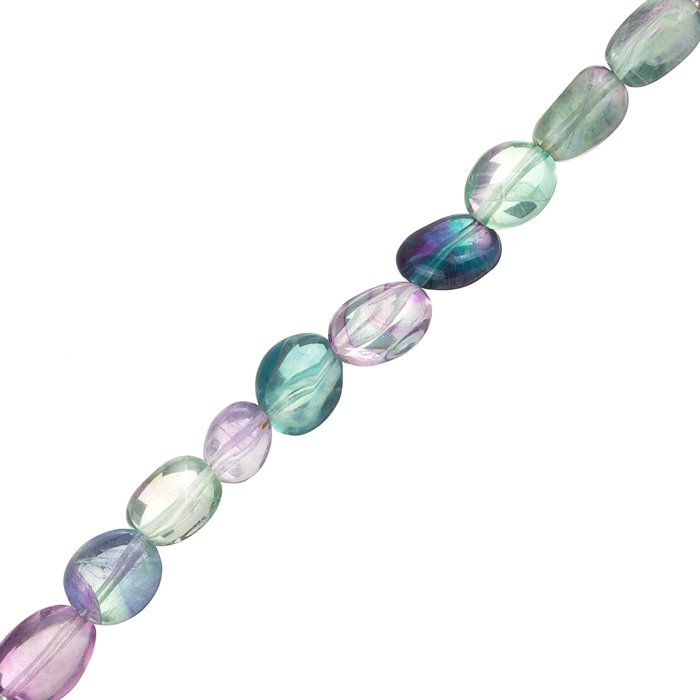
Known for it's vivid and intense colourings, Fluorite beads get their name from their fluorescent ability – have different colours under normal light and additional colours found under ultra-Violet. Because of this it's widely known as “the most colourful mineral in the world” and that is a perfect description of these beads – there is such a spectrum of colour available of these beads, that you can find a colour, or a set of colours to best suit you. A famous variation, known well in the United Kingdom is “Blue John”, found in the mines of Wales. It's a mixture of purples and blues in a non-standard swirled pattern to create a visual eye-catching piece.
The beads we have available are smooth and semi-translucent in appearance to easily catch as much, light for a light and airy feeling bead. Fluorite beads are extremely popular and sell at quickly on our website but you can find our beads here for some more examples of our beads.
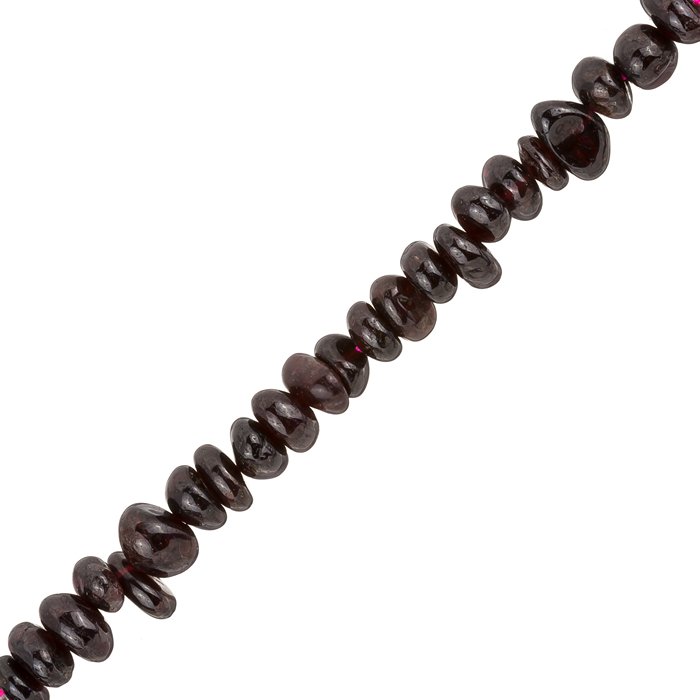
Personally, these are some of my favourite beads mainly due to the colours. Garnet beads are a deep deep red colour, almost brown coloured, for an expensive and almost masculine feel. Garnet beads have a matte surface standardly but many will have the smooth polished coating added to them to better show of the dusky colours inside. Garnet is popular for American's due to be associated with the birth month of January, making popular Gift ideas of garnet necklaces, Bracelets for all friends and family. Pairing this bead with some rich, Gold findings and other beads can create a spectacular colour comparison pieces – something which has been popular with jewellers since the Roman times due to their love of Garnets – to create a regal and expensive looking creation
Take a look at the Garnet beads we have here for some of your design inspirations!
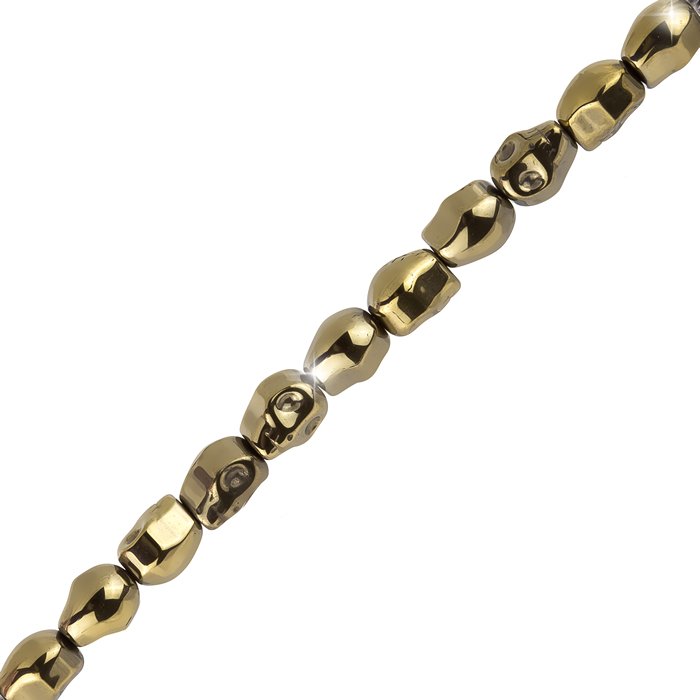
Traditionally coloured in dark tones of greys, silvers and blacks, modern variations of Hematite has installed vivid colours into the stone to create a kaleidoscope of rainbow colours which haven't been associated before. Hematite is an extremely strong material – capable of withstanding a lot of pressure and surface scratches, and is one of the only materials that can be found both magnetic and non-magnetic – which when purchasing beads you will see that we here at Beads Jar specify- which can change the final structure of the beads.
Have a look at our Hematite range here available at Beads Jar!
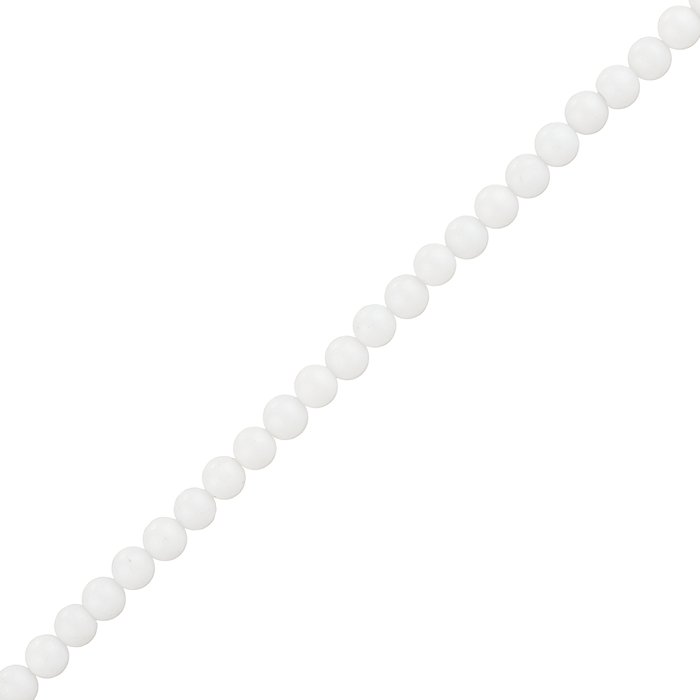
Originally used in history in weaponry, Tools and ornamental pieces, Jade has become a more of a staple material in crafting and beading due to it's high polished finish and ease of shaping into different forms. Jade is a, traditionally, opaque green toned stone which is extremely hard wearing and strong and has been used in countless years for jewellery and ornamental pieces due to it's hard surface and ease to carve and cut into jewellery and inlays. Jade can be found in other variations of colour then the stereotypical green – it can be found in white, reds, golds, lavender etc – and founded with mottled and streaked effects in the stone for additional texture, colour and variation.
Combined with silver or gold is perfect for jade for that expensive feel as the colder metal colours and the waxy colouring of the Jade can create some stunning pieces – something that has been inspired by Chinese art of the past. You can find Jade in rings, bracelets but also in cabochons and tumbled stone depending on your project
You can find the range of Jade stones here to find ones that you think will suit your creation.
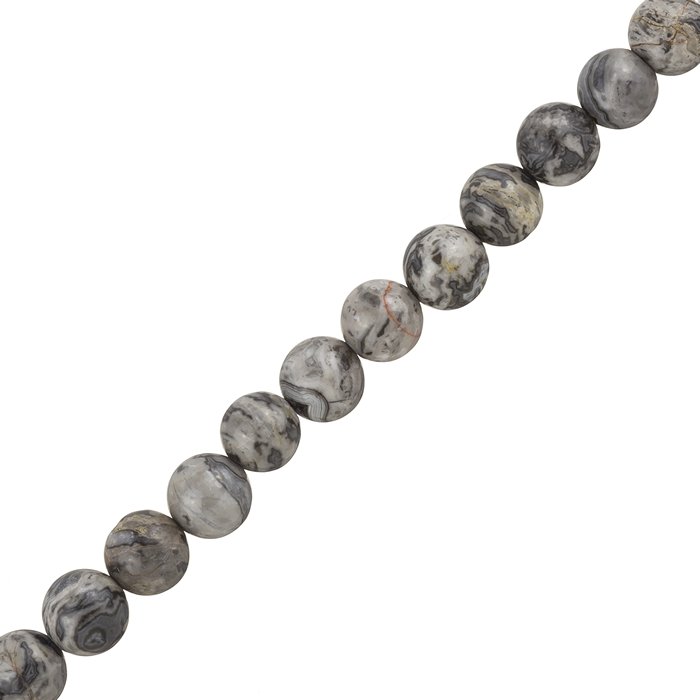
Jasper is an opaque stone who's surface colour and patterns differ from stone to stone. Jaspers have a large variation on colour from dark blacks and browns to lighter whites, creams and yellows which are intermingled together to create a rippled, streamed effect across the beads surface – similar to marble or granite. Jasper is a economical bead, due its material, and can be polished and chiseled into cabochons and cameos due to Jasper being a workable and tactile material.
You can find our range of Jasper beads from Beads Jar here
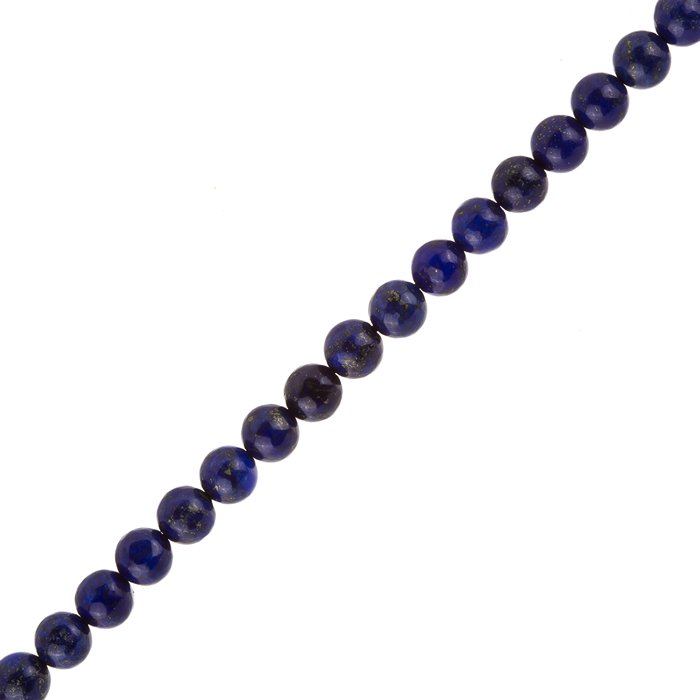
Lapis Lazuli is a predominately blue hued stone well known for its intense colour and finish. Lapis beads have been used in crafting for hundreds of years, from inlays to jewellery and even crushed to powder to create some beautiful blue paints found it many famous art pieces across time (such as the Girl with the Pearl Earring by Dutch painter Johannes Vermeer.)
Lapis beads can come in many different forms – from the pure coloured stone with a single colour radiating throughout to additional pyrite materials integrated with other colours and patterns such as darker blues, whites and golds to create a luxurious and bespectacled bead.
Lapis beads can be found in several different varieties which can be found here
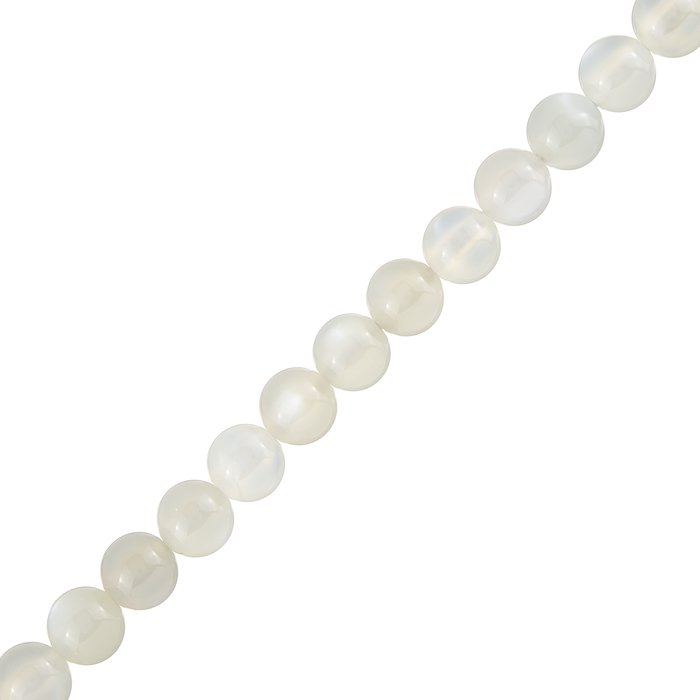
The name of Moonstone originates from it's visual sheen from it's surface create multiple glistening light refractions. Roman jewellery and art has Moonstone embedded into it as they believed that the stone was created from the rays of the moon solidifying into this precious stone, and further used in the Art Nouveau period for inlays into sculptures and glasswork because of this beautiful shining and gleaming qualities
In bead form, this bead is extremely prized for it's milky and silky appearance, which is polished to absorb and scatter light in several directions for a brilliant finish. They can be coloured also for a more smoky colouring or bright colour to the stone such as black, pink, gold etc for more a different twist to a classic bead. Most Moonstone beads are spherical in shape, with no additional cuts or facets added as the material itself absorbs and reflects the light.
You can find our range of Moonstones here
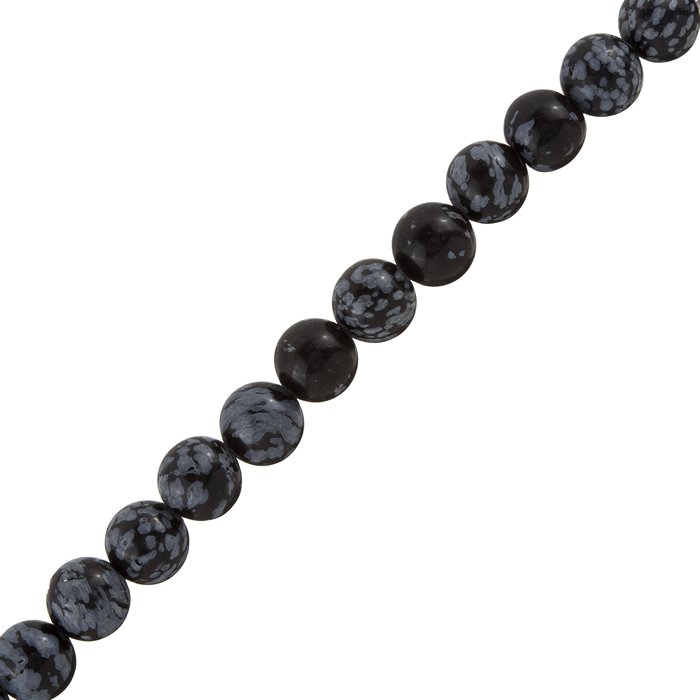
Created from rapidly cooled lava, these volcanic Glass Beads have a sombre and rich colour to them, usually flecked with whites and greys from the pressed layers pushed together creating ridges and giving some interesting and stunning effects. The cooling lava can create a “snowflake” effect on some beads creating a thin, spindly arms of a lighter colour across the surface of the bead to create these
“Apache Tears” are small rounded obsidian nuggets, with a grey-white perlite coating, perfect for beading due to their smaller size and smooth exterior. The obsidian beads can be found in smooth spherical shapes, faceted but also in a natural, matte finish also. You can find our range of these hot lava beads here for some new warm inspiration for your beads.
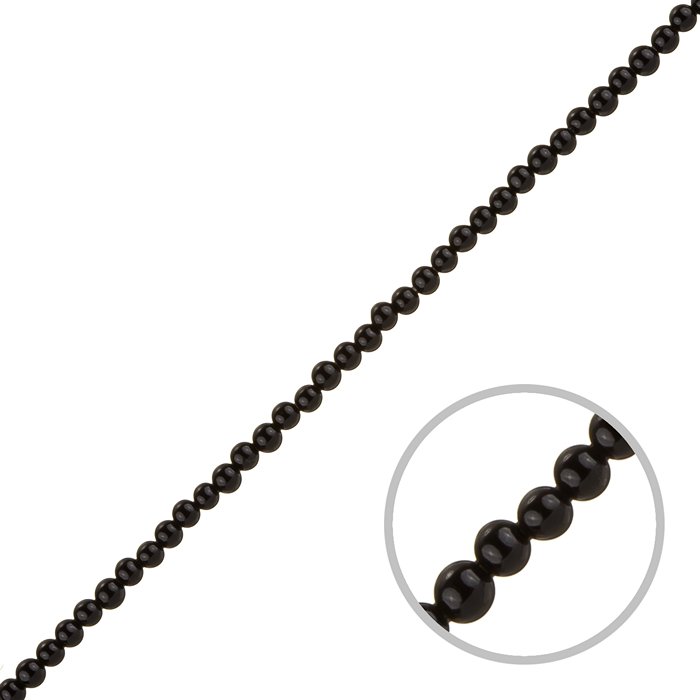
Traditionally Onyx is a silky black material know for being extremely tactile and hardwearing material with a long history in jewellery and crafting or it's mutli-use in rings, bracelets and other fashion items. Onyx beads are known for their smooth nature, due to the structure of the stone, and can be polished to create a striking and dark bead, which could be perfectly matched with silvers and gold to stand out even further.
As I said earlier, another Onyx is traditionally a darker matieral, it can be found in multiple other colours, one such material is Sardonyx, a rare variation of Onyx in a blood red colour, which has the same shine and toughness, but a brighter and more vivid colour. Sardonyx and Onyx are popular amongst men for signet rings due to their deep colours and carvings, so Onyx bead could create a great item for the man in your life. Take a look at our range of Onyx beads here for some design ideas.
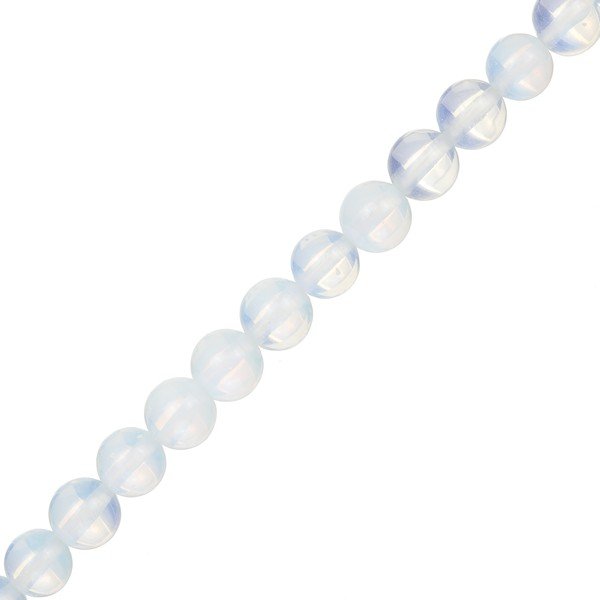
Also known as “Sea Opals” and “Opal Moonstones” , Opalite beads differ slightly from other beads due to the material being man-made then naturally formed compared to Quartz, Turquoise and many more. Opalite beads are semi-translucent, snowy coloured beads that give a blue or gold reflection when in light, due to their smooth exterior. When you place these beads on a darkened surface, you can actually see the beads are a pale blue colour, but in light and worn against the skin, the colour is almost Clear. Most Opalite beads are found “tumble polished” as standard, as due to them being semi-translucent they have no need for additional cuts or surface edges as they already take and reflect a huge amount of light.
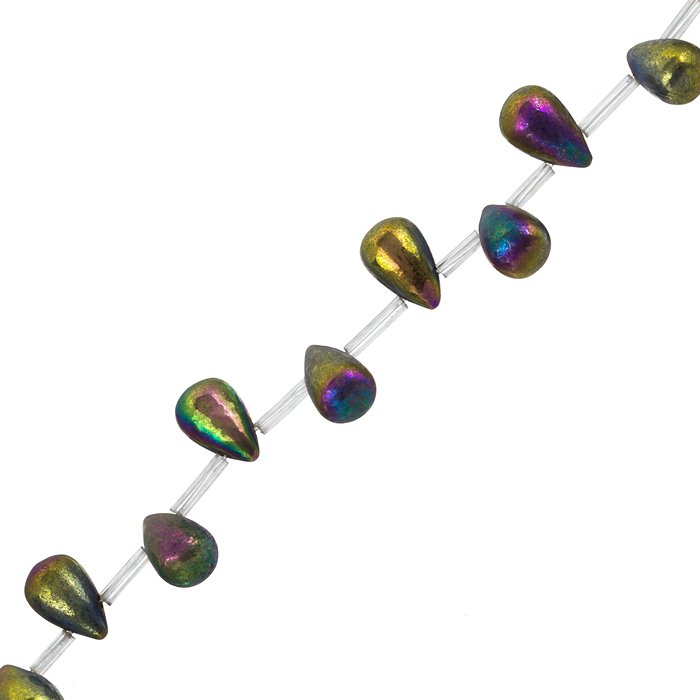
This is the famous material that people confuse for gold called when panning in rivers. "Fool's Gold", actual name Pyrite is named from the latin term “of fire” which can be seen as this material can be seen to the naked eye as well being seen in ultra-violet or iridescent light. Pyrite comes in multiple colours from pastel to darker tones, each having the distinct matte gold dusting to the top for some attractive looking beads.
Some of the Pyrites we have available here have a rainbow effect across the top for more colour variation and design – similar to the rainbow effect you find on Miyuki or Toho beads, a “oil spill” effect then a vivid coloured rainbow. Take a look at our beads here to see which ones you would like to add to your collection.
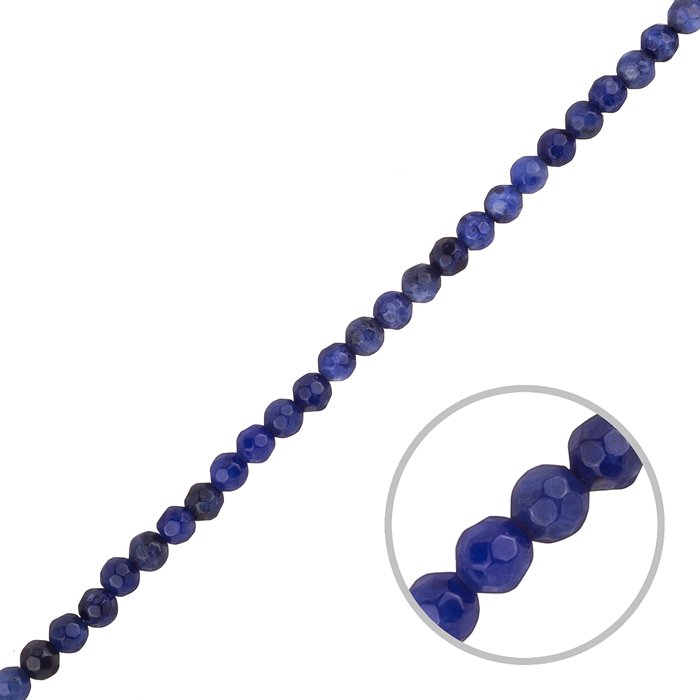
A similar stone to Lapis Lazuli, Sodalite is a rich coloured stone coming in various Shades of blues, greens, yellows and violet colours with a swirl of lighter colours to make the main stone shade to shine and seem brighter. Under ultra-violet (similar to other beads) these beads react slightly differently to others, with the white swirl emulating a vivid Orange and the blues becoming almost black for an interesting neon effect. Although we don't use the UV light in our day to day life, the change of the bead to show some other colours as well as it's more natural tones gives the bead more life and design compared to others.
You can find our range of Sodalite beads currently in stock here
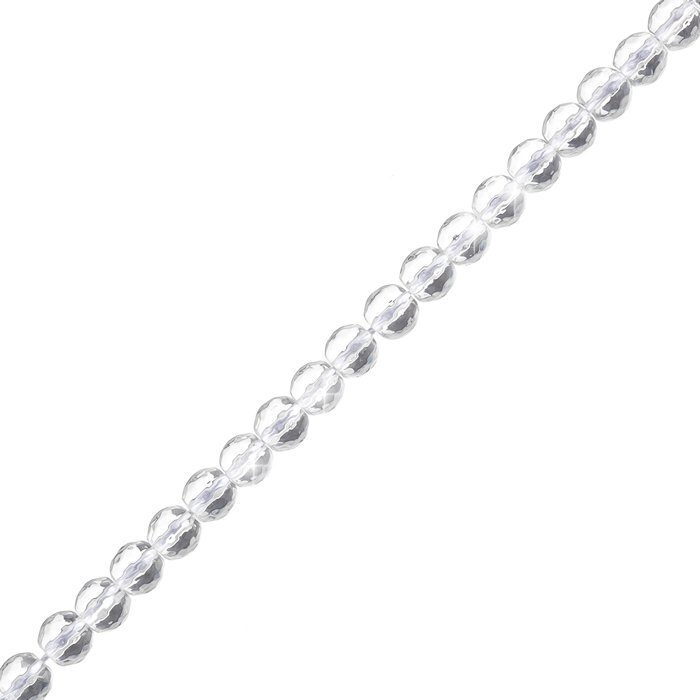
Quartz stone is a huge and popular semi-precious material, as it's many forms, colours and variation all have their own unique look for each beader. Quartz, meaning “Icy cold” due to it's sharp raw texture when dug and it's crystal form, was popular with Greeks as they believed that it was created from super cooled ice, giving this shining, glimmering effect. Comes in a huge varieties of colour, shapes as well as being available in opaque, semi-translucent and translucent. Quartz is usually shaped and polished to bring out the grain and crystal structure of the gem out and polished to give a high-quality sheen. There are different variations of Quartz available at Beads Jar such as:-

A Quartz stone naturally coloured with a pale pink to deeper rose coloured hues. Rose Quartz are popular in beading as the flush of pink colours makes an attractive bead, especially when married with white Quartz beads, silver findings and much more to support the blushed stone. Usually, Rose Quartz have other materials inside to create their colourations, that when turned into beads, can be seen radiating through the whole bead itself.
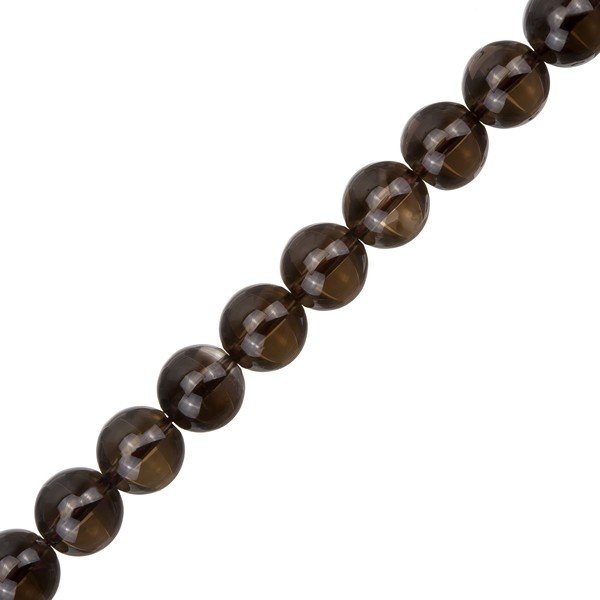
Smoky Quartz is a grey, semi-translucent variant of Quartz and the most vivid in colour that Beads Jar have available. The colour, although dark, can still be seen straight through the bead, with the same shine and shimmer that is standard to Quartz beads.
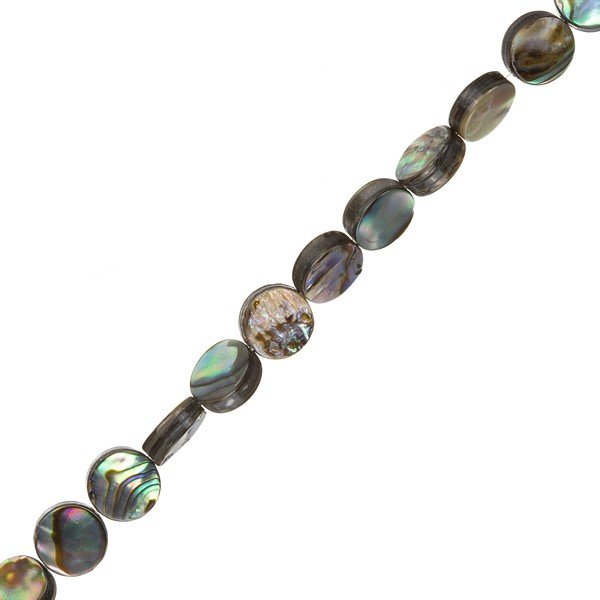
A bead that has striking similarities to mother of pearl, as the shell is shaped and polished to give a white cloudy look mottled iridescent pinks, blues and purples for a beautiful smooth shine. The Abalone beads keep the ridged, grained effect from its natural state to give this multilayered rainbow finish, which catches the light easily. Because it's created from a natural material, the finished effect from bead to bead is different, due to the patterns, colours and even the cut of the shell changes the grain direction, the beads colour and the overall finish
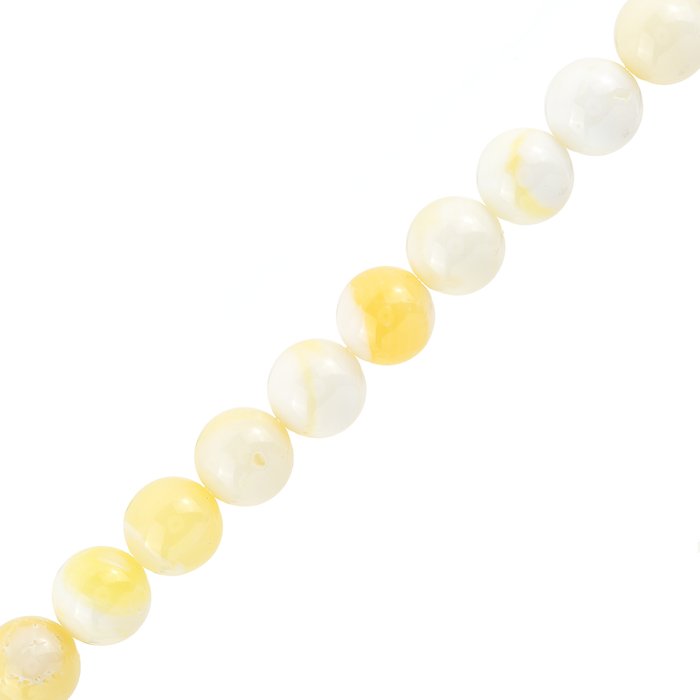
Created from natural clams and bivalves, these beads aren't as iridescent as the Abalone ones, choosing instead to be more pearlised in design – the bead are pale ivory, cream and pastel colours with a luminescent, buffed surface finish. The lustre of the bead does hold some opalescent multi-coloured colouration.
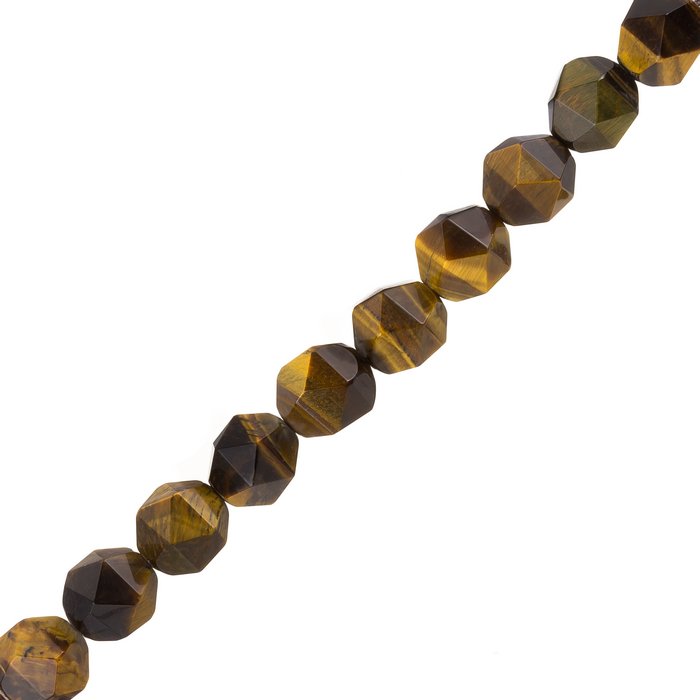
Another member of the Quartz family, Tiger Eye beads have a slightly different structure and colouring to Rose and Smoky. Tiger Eye has a golden to reddish-brown coloured surface and has a more luxurious, silky finish to it. The beads finish isn't as iridescent as Rose or Smoky, predominately being more attractive from it's intermixing of colour and patterned design to create this impressive bead. The bead is further enhanced as it can be bevelled and faceted, as well as being highly polished, to give this smoky and vivd shiny bead.
Tiger Eyes have been popular in many countries, such as Turkey, Egypt, Southern Spain etc as they believe that the colour and history of the bead is said to ward off the evil eye. Because of this, many souvenirs and jewellery sold involve a Tiger Eye bead and said to cleanse the house of bad spirits. Find Tiger Eyes here on Beads Jar, for souvenirs and jewellery to help your loved ones.
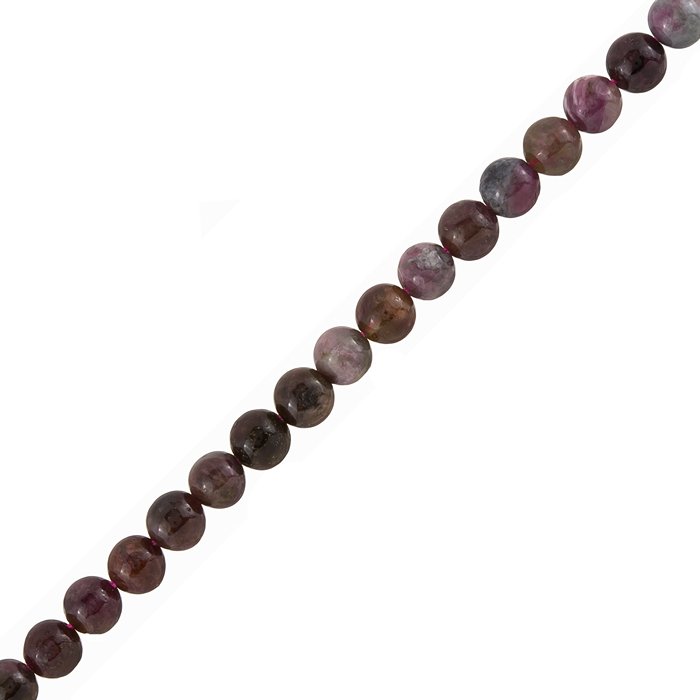
Tourmaline is a stone who's colour is on a huge spectrum and not known for a definitive colour – they can be found in dark blacks, browns and greys to (and although rare, are still available) colourless beads. Their internal structure can also vary, being being opaque and solid to translucent (usually found in the lighter colours) Tourmaline is exceptionally durable and scratch resistant to ensure that this bead will keep it's colour and attractiveness even after several years of wear
You can find our Tourmaline selection here to have a look for yourself!
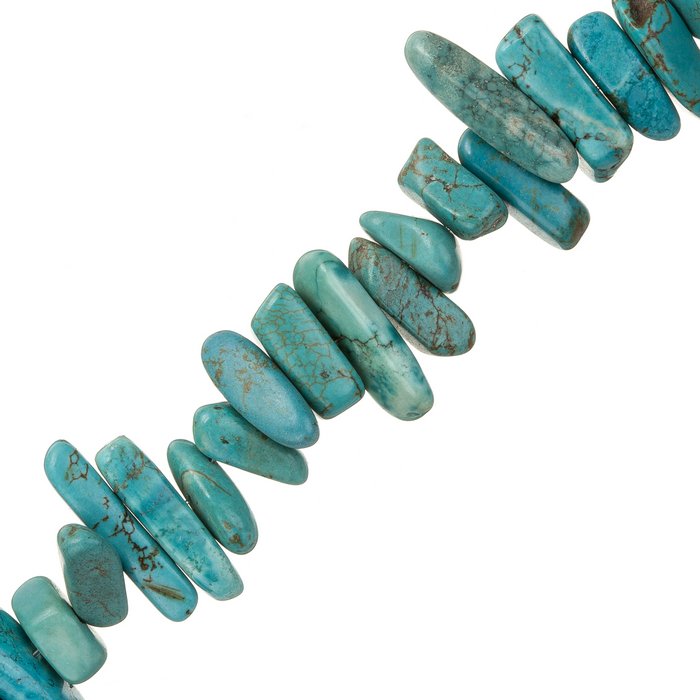
The birthstone for December and probably one of the most well known semi-precious materials, Turquoise has been prized for hundreds of years for it's distinct blue-green hue. Most beads are left in the natural state that you find the material in, as it's waxy and softened surface give the bead the best allure and look. Turquoises surface isn't as protected and can affected by lacquuers, aerosols and perfumes, so I would recommend (as the material is high quality and well priced) that it would be perfect for that bespoke present a relative, friend etc.
Turquoise can be found in various variations in modern beading – both as a natural material but also a synthetic one too. They can be dyed fairly easily also, changing the traditional colour of blue-green to reds, yellows, pinks etc, and during the heating process can create some interesting vains of colour on the surface for a textured and designed effect. Take a look at our bead collection here for some colour inspiration.
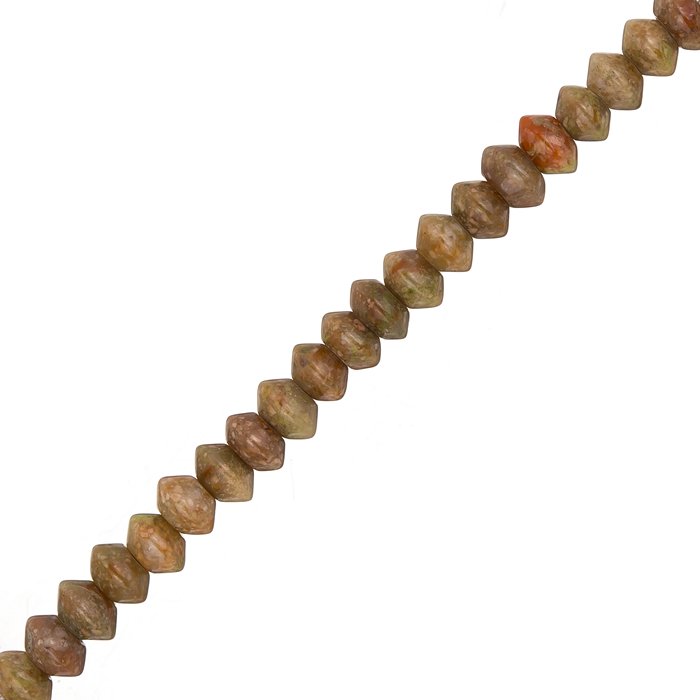
Unalite exists in various shades of greens and pinks and has an overall mottled appearance. Typically, the stone is cut and shaped into bicones or beads with faceted edges to give additional light and colour to the natural stone. Being an all natural material, the stones colour isn't as vivid as Lapis Lazuli or Turquoise, but has an attraction through it's earthy, woody tones simulating rocks, granite or pebbles that you can find in a forest. The stone, like most others, does require a high grade polish to ensure that the natural feel of the bead isn't lost during the shaping or moulding process.
Take a look here at our range of Unalite beads in hopes that it's natural beauty can inspire your next project.
So I hope this gives a good view into semi-precious stones, and you may have found out some info you didn't know about! As always if you want to comment on this blog I always love to see your replies and questions. Head over to our Facebook (@BeadsJar) or our Twitter (@BeadsJar or #Beadsjar) and talk to me! If you have any questions or anything you'd like to add for future blog ideas email me at [email protected] and I will happily discuss and you could be featured in a future post!
We are currently still running a dicount on all your purchases is you use the code TODAY15 .Put this in at the end of your checkout for some money off your purchases! Only available for a limited time, so you this oppotunity to buy some new beads for all your projects, or even to stock up your favourites!
Have a wonderful day and happy beading!
Phill















































1 Comment(s)
<a href ="https://thejewelcreation.com/beads/semi-precious-gemstone-beads">Semi Precious Beads</a> - Shop from our huge collection of Smooth, Faceted and Quality Gemstone for Jewelry Making. Order Now!
Leave a Comment