-
Your shopping cart is empty!


MENU
Your shopping cart is empty!

Today among the letters I found a question, the answer to which probably worries most of those who have taken an interest in beading. Namely - how to open your first small shop, selling handmade jewellery.
At first I wanted to take the easy way out, and briefly outline the basic theses on the subject of the essentials, like "buy everything from us, and then try to sell it". But then I remembered myself when I tried to sell my drawings. I remembered how inexperienced I was in this endeavour and how I ended up having to look for a "real job".
So, I will try to share my personal knowledge. I may be wrong somewhere, but I can still draw some conclusions and present them in the form of a certain "plan".

a. Choose a niche: Think about what kind of jewellery you will create (e.g. earrings, Bracelets, necklaces) and style (e.g. minimalist, boho, vintage).
b. Create some samples: This will help to visualise and test the range.
c. Pricing: Calculate the cost of each item, including materials, time and mark-up.

a. Register as a sole trader (Sole Trader): In the UK, the easiest way to register as a sole trader (if the shop is small). It is applied for through HMRC.
b. Bookkeeping and tax accounting: Make sure you have a system for recording income and expenditure. Even simple Excel accounting will be useful to start with.
c. It may also make sense to take out insurance: This is important, especially if you sell handmade items that customers will wear. Insurance will help protect the business in the event of claims (e.g. due to allergic reactions to materials).

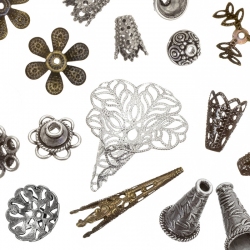
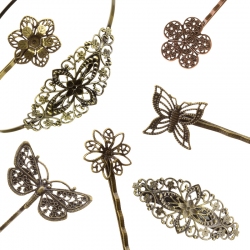
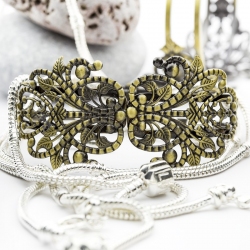
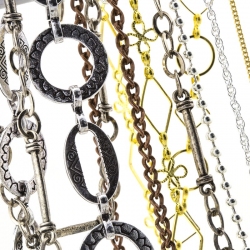
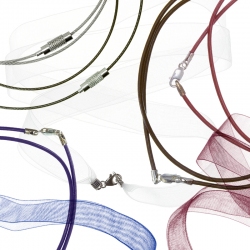
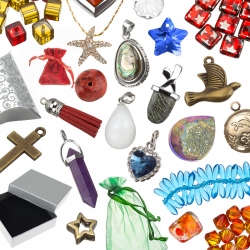
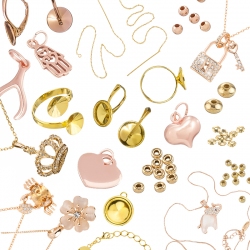
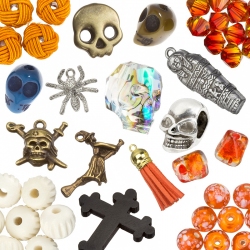
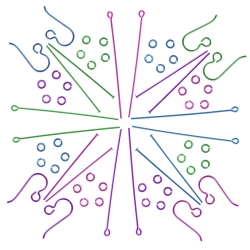
a. Materials: Depends on what kind of jewellery you plan to make. First, choose basic materials: beads, metals, chains, Clasps, Cords, etc.
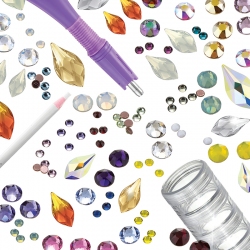
b. Tools: You will need Pliers, wire cutters, pliers, glue, blowtorches, and other tools suitable for jewellery making.
c. Organisers and containers: For storing materials and finished products. The better organised the space is, the more efficiently you use your resources without having to buy the "bead that rolled under the floor".
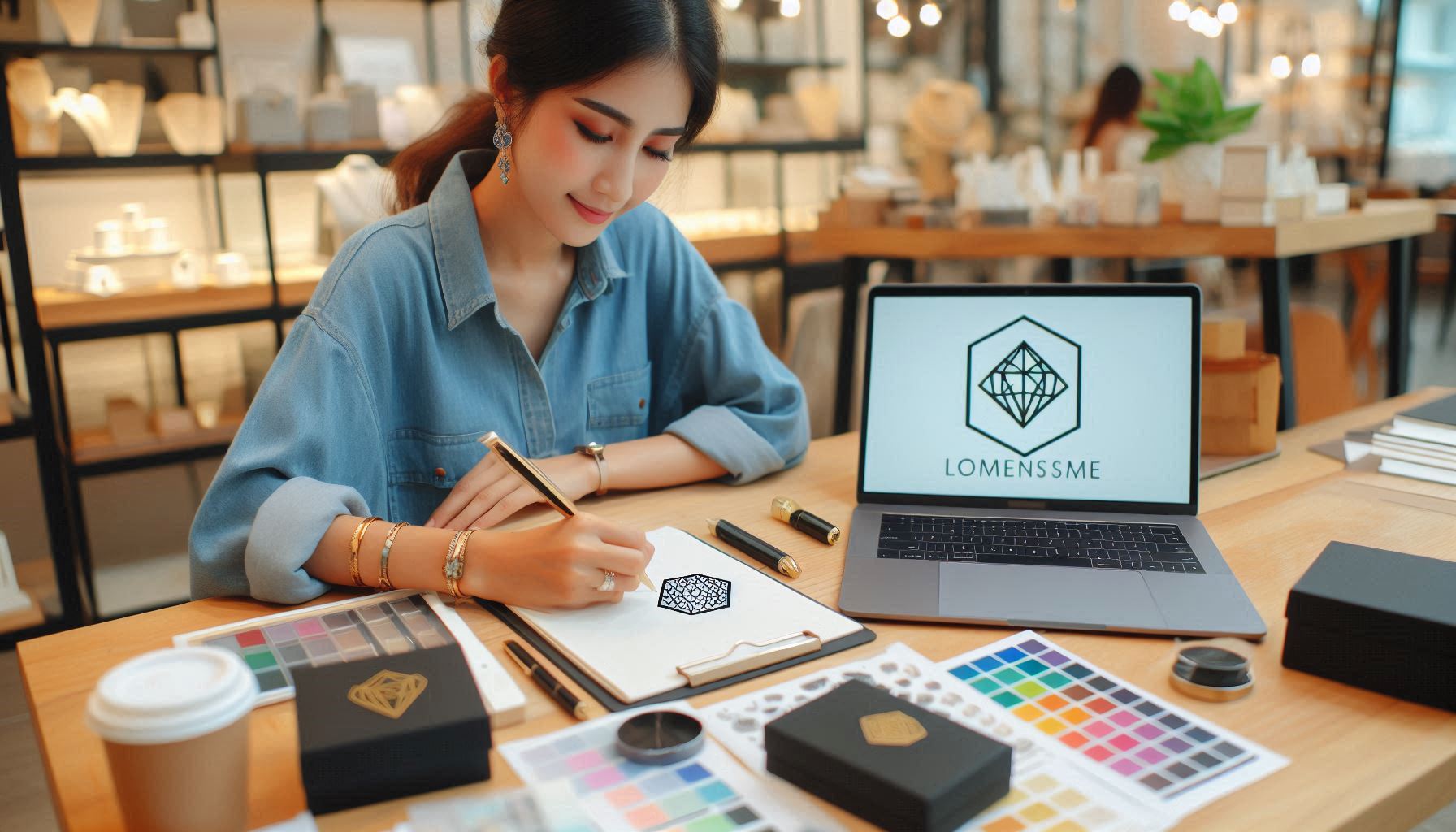
a. Name and logo: Come up with a unique name and, if possible, create a logo. You can use free online services such as Canva to do this. And if funds allow, turn to professionals. I know one for sure.
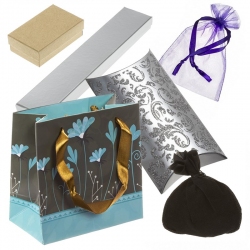
b. Packaging: For the physical shop and for shipping online orders. Invest in small boxes, envelopes, and protective materials. It's important that the customer receives what they ordered - in good condition.
c. Tags and stickers: Design tags with your logo, care instructions, and contact information. This way you will be able to answer customer questions without overloading your customer service.

For an online shop:
a. Creating an online shop: It's easy to run a shop on platforms like Etsy, Shopify, or even through Instagram and Facebook Shop. You can also create a website on WordPress or Wix (but this is more complicated and will require some skills or professionals).
b. Product Photos: Take quality photos of products from different angles. Invest in good lighting and backgrounds. A photo is 95% of the information about your product that people pay attention to first.
c. Payment Methods: Set up Stripe, PayPal or bank transfers to accept online payments.
d. Delivery: Make arrangements with postal services such as Royal Mail. Determine the cost and timescales for delivery within and outside the UK.
For a physical shop:
a. Rental location: Find a location in a busy area with good footfall. Look out for market squares or temporary retail spaces to start. I notice that more of these are popping up as of late....
b. Window displays and furniture: Think about the style of displays, shelves and counters. You need them to represent your brand and products attractively. Spend time thinking about your workspace, as any changes can eat up time or budget.
c. On-site payment: Set up a POS terminal to accept card payments (e.g. SumUp, Square) or other convenient payment method.
d. Promotional materials: Posters, signage, business cards and flyers will help attract visitors.

a. Social media: Create pages on Instagram, Facebook, TikTok, and Pinterest where you will post photos and videos of your products.
b. Advertising: Consider targeted advertising on Facebook and Instagram to attract customers online.
c. SEO: Optimise descriptions and keywords on your website or sales platform (e.g. Etsy) to attract traffic from search engines.
d. Local events and fairs: While selling in a physical shop, participate in craft fairs and exhibitions. This is a great way to make yourself known and gain loyal customers.

a. Email and messengers: Set up communication methods to quickly answer questions and get feedback.
b. Returns and Exchanges: Have a return and exchange policy in place (as per UK law).

a. Analyse sales: Keep an eye on which products are selling better and expand the range in that direction. Focus on the consumer - what they want.
b. Well to understand your customers, don't hesitate to communicate with them. Ask customers for feedback and make improvements to products and service.

The list is impressive. But in reality, most of the items require you to do only a one-time action. As your business grows, you will understand more and more what you need and what you should remove to avoid wasting time and resources.
I would also add that I can recommend professionals to do some things like photography, design, or website customisation. This will help you save your nerves and time.
I may have left something out, so I will update this article from time to time if something else comes to mind.
Well, for a good start, you need inspiration! I can help with that by offering a 20% Discount on all of our merchandise. Coupon code* valid until 14 November 2024: GoodStart
I wish you success in your endeavour.
* Discount coupons or vouchers cannot be combined for a greater discount. Each coupon can only be applied separately.























































Leave a Comment