-
Your shopping cart is empty!


MENU
Your shopping cart is empty!
There are numerous ways to finish necklaces and Bracelets and with so many different Findings available it can be easy to get a bit confused. This quick guide will take you through some of the most popular techniques for finishing in jewellery making.
Crimp Beads are great for creating a secure and professional finish to necklaces and bracelets. They can also be used to secure beads anywhere on your beading wire for example when creating a floating necklace or bracelet. There are two ways to secure a crimp bead onto your wire. One is to simply flatten it shut with a pair of flat nose Pliers, the other is to clamp it shut with a pair of specially designed crimping pliers. These will create a neater finish and allow crimp bead covers to fit over the top with more accuracy. Crimps are available in a wide range of sizes and widths. When choosing which size to use you will need to consider the thickness of the wire and how many times it needs to pass through the crimp. You will also need to use the correct crimping pliers for your chosen size of crimp bead. Care needs to be taken when applying crimp beads/tubes to nylon thread as they can have sharp edges which may cut through.
Open the split ring and add the clasp.
Steps:
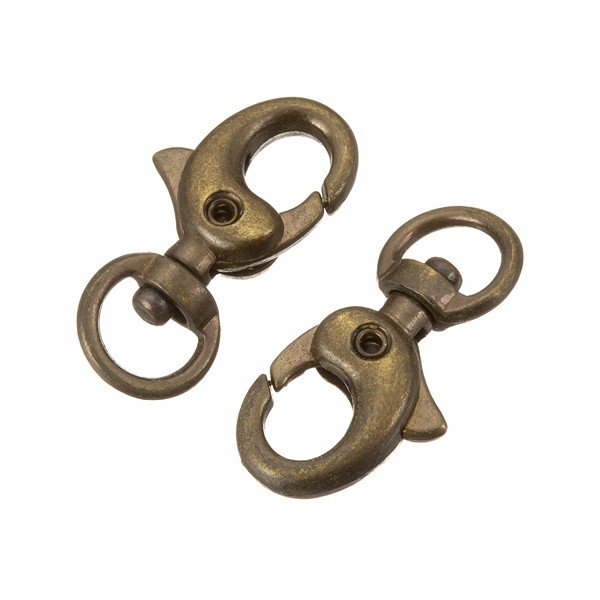 Lobster clasps can be attached to necklaces/bracelets using Jump Rings, split rings, or simply creating a loop on the end of your wire/thread with french wire.
 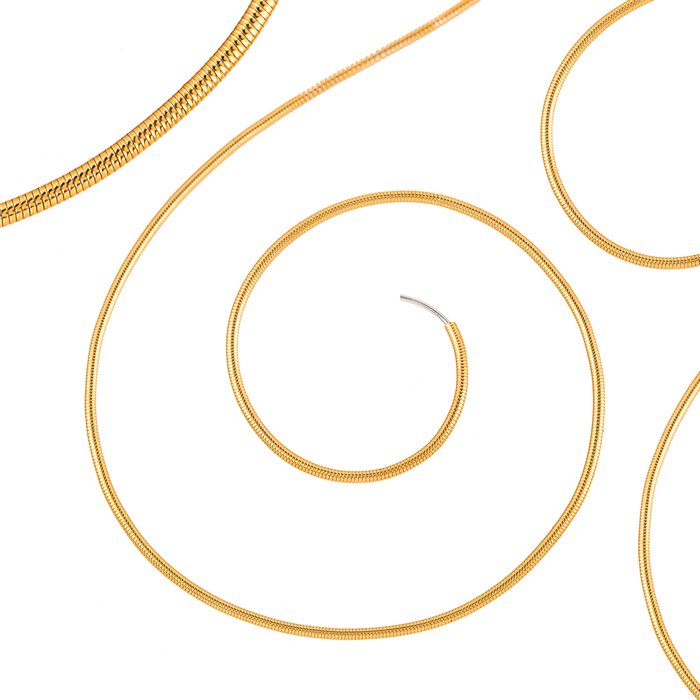 French wire is a finely coiled wire which gives jewellery a beautiful neat, professional finish and also gives wires and threads more durability. Thread it onto your jewellery wire or thread before securing your crimp. When you pass the wire back down through the crimp and pull tight, the french wire will create a neat loop which will be the only thing visible next to your clasp.
 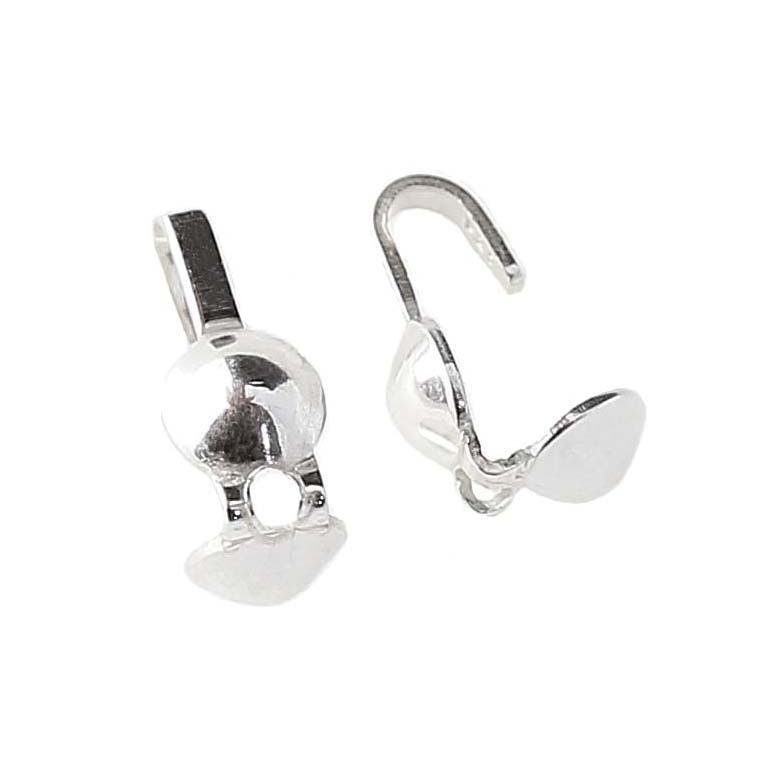 Calottes are used to cover up knots at the end of your wire/thread/cord giving a more professional finish to your necklaces/bracelets. Simply slip the calotte onto your wire or thread, then tie your knot. If the knot isn't large enough and passed through the hole in the callote you can add a small bead to secure it. When you are ready to finish, squeeze the two sides of the calotte together so they completely cover your knot/bead. Then slip your clasp onto the loop at the top and using a pair of round or chain nose pliers, curl the loop around until it makes a closed loop, securing the clasp in place.
 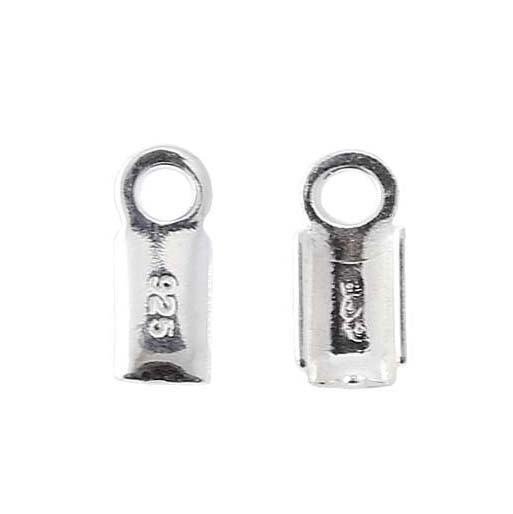 Cord ends are really quick and easy to use and come in a wide range of different metals/finishes. They have a loop which hooks into the clasp (on the other side) and two metal flaps below which fold/clamp shut with pliers over your jewellery wire to secure.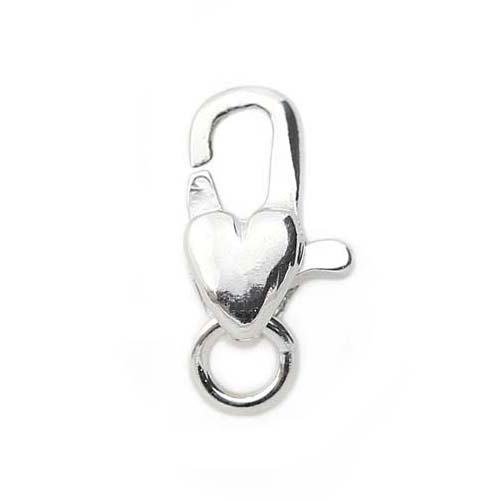






























































Leave a Comment